Research Guide
Peptide Stacking: A Researcher's Guide
Published April 26, 2026 · 9 min read
⚡ TL;DR: Peptide stacking combines multiple peptides to target complementary pathways. The most researched stacks include BPC-157 + TB-500 for tissue repair, and Ipamorelin + CJC-1295 for growth hormone research. Stacking can produce synergistic effects, but requires careful dosing and timing.
Why Stack Peptides?
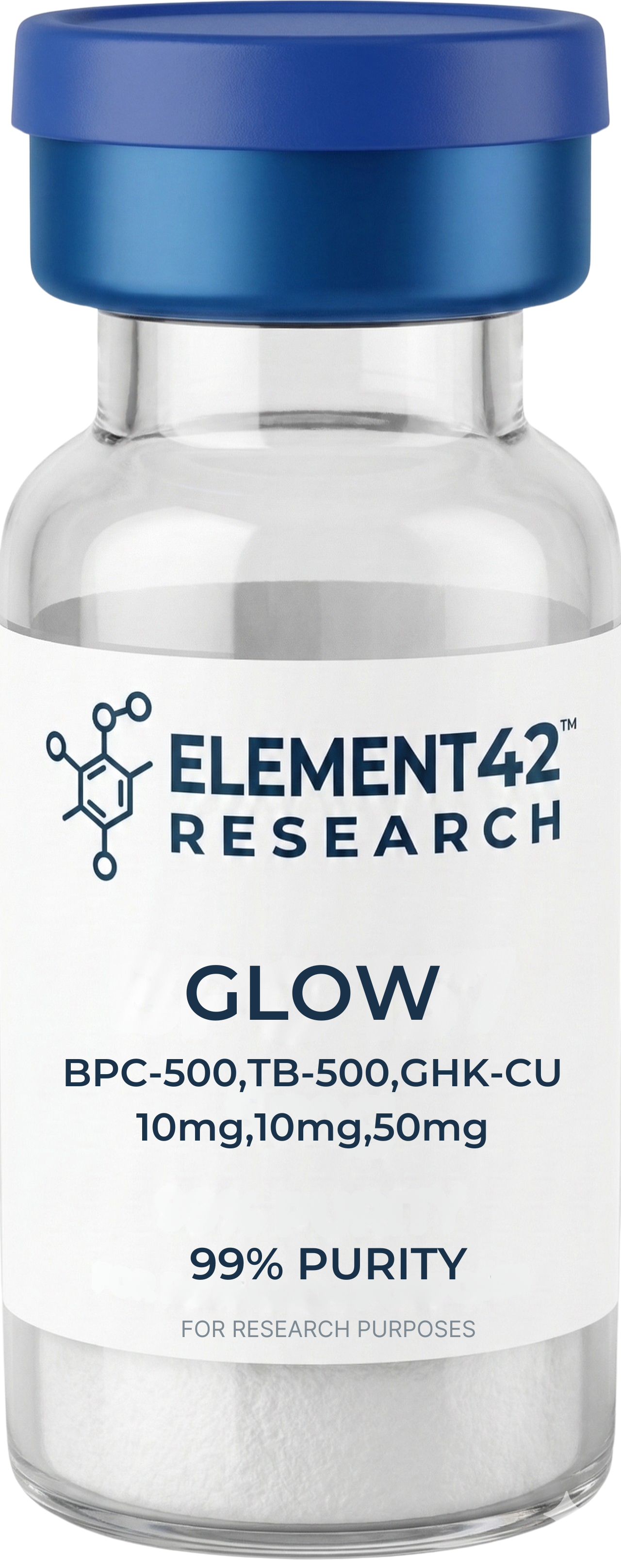
Individual peptides often target specific pathways. By combining peptides with complementary mechanisms, researchers can potentially achieve more comprehensive results. For example, while BPC-157 primarily promotes angiogenesis and growth factor upregulation, TB-500 (Thymosin Beta-4) modulates actin binding and cell migration — together they may provide enhanced tissue repair outcomes.
The BPC-157 + TB-500 Stack
Most Researched Tissue Repair Stack
- BPC-157: 250-500mcg twice daily
- TB-500: 2.5-5mg twice weekly (loading), then 2.5mg weekly
- Duration: 4-6 weeks, then 2-week break
- Notes: Can be drawn into the same syringe or administered separately. Administer near the injury site where practical.
The GH Secretagogue Stack
Ipamorelin + CJC-1295 (No DAC)
- Ipamorelin: 200-300mcg per dose
- CJC-1295 (No DAC): 100-200mcg per dose
- Timing: Morning on empty stomach, or pre-bed
- Duration: 8-12 weeks on, 4 weeks off
- Notes: Administer together in one injection. Avoid food 1 hour before and 30 minutes after.
Safety Considerations
- Start low, go slow: Begin with individual peptides before stacking. Know how each affects you.
- One new variable at a time: When adding a new peptide to an existing stack, introduce it separately for 3-5 days.
- Cycle off: Most researchers recommend 4-8 week cycles with 2-4 week breaks to prevent tolerance.
- Quality matters: Only stack peptides with verified COAs. Impurities multiply with each added compound.
🧪 Browse Quality Peptides
All Element42 products are third-party HPLC tested with purity above 99%. COAs publicly available.
View Shop →📚 Related Resources