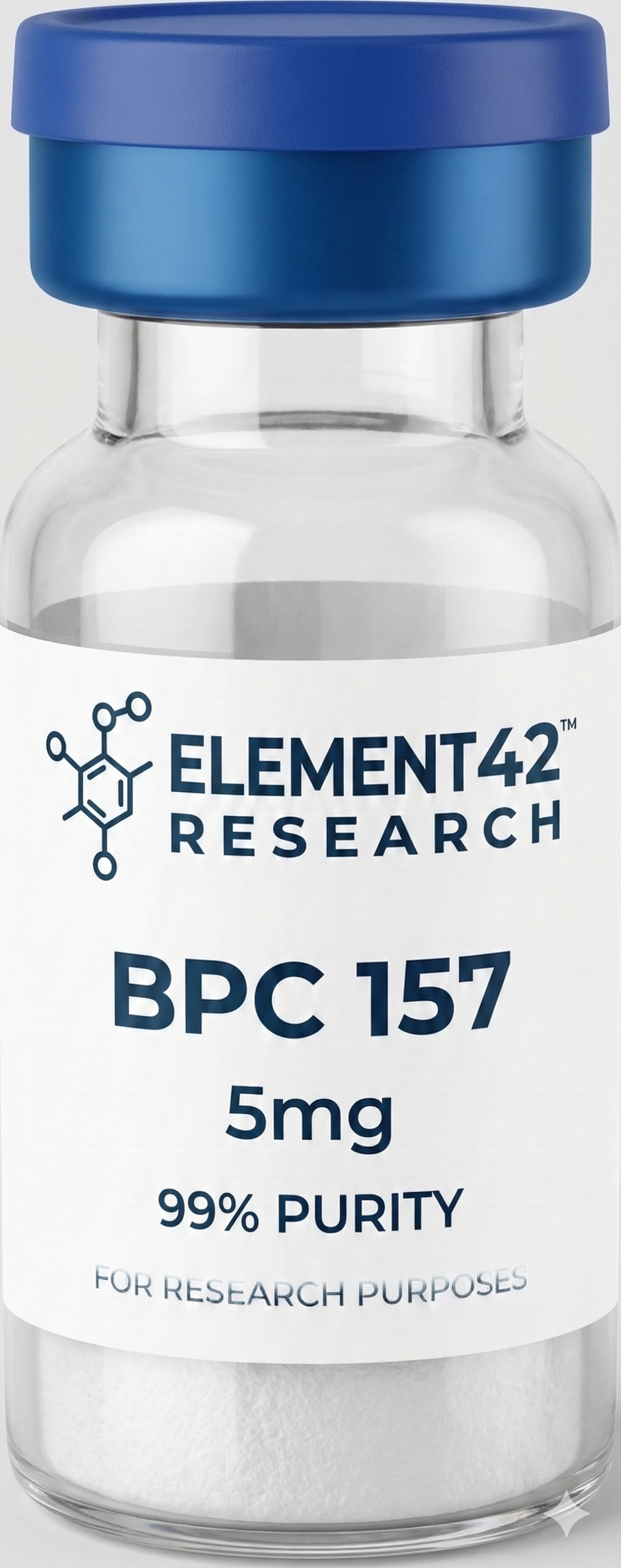
Research Guide
BPC-157: The Complete Research Guide
Published April 26, 2026 · 8 min read
⚡ TL;DR: BPC-157 (Body Protection Compound-157) is a synthetic pentadecapeptide derived from a protein found in human gastric juice. It has been the subject of extensive preclinical research for tissue repair, gut health, and soft tissue recovery. This guide covers everything researchers need to know.
What is BPC-157?
BPC-157 is a 15-amino acid peptide fragment of the human gastric juice protein BPC (Body Protection Compound). First identified in the 1990s, it has since become one of the most studied peptides in regenerative research. Unlike many peptides that target specific receptors, BPC-157 appears to modulate multiple growth factors and repair pathways simultaneously.
Key Research Applications
Tendon and Ligament Healing
Multiple animal studies demonstrate BPC-157's ability to accelerate healing of transected tendons and ligaments. Research suggests it upregulates VEGF (Vascular Endothelial Growth Factor) and FGF (Fibroblast Growth Factor), promoting angiogenesis and fibroblast proliferation at injury sites.
Gastrointestinal Health
Given its gastric origin, BPC-157 shows particular promise in gastrointestinal research. Studies report protective effects against NSAID-induced gastric ulcers, inflammatory bowel conditions, and intestinal anastomosis healing — often at rates significantly above control groups.
Systemic Anti-Inflammatory Effects
Emerging research indicates BPC-157 may modulate the inflammatory cascade through regulation of cytokines including TNF-α and IL-6. This systemic effect may explain the broad range of observed benefits across different tissue types.
Reconstitution and Handling
Recommended Protocol
- BAC Water: 2-3mL sterile bacteriostatic water per 5mg vial
- Concentration: 5mg / 2mL = 2.5mg/mL (250mcg per 0.1mL)
- Gentle Swirl: Do not shake — peptides are fragile
- Refrigerate: 2-8°C after reconstitution
- Shelf Life (lyophilized): 2+ years when stored properly
- Shelf Life (reconstituted): 7-14 days refrigerated
Dosage Ranges in Research
| Protocol | Dosage | Frequency | Duration |
|---|---|---|---|
| Gut healing | 250-500mcg | Twice daily | 4-6 weeks |
| Soft tissue repair | 200-400mcg | Once daily | 2-4 weeks |
| Systemic recovery | 250mcg | Daily | 4-8 weeks |
Sourcing Quality BPC-157
Not all BPC-157 is created equal. When sourcing for research: always verify the COA (Certificate of Analysis). Look for HPLC-tested purity above 99%, with solvent residue analysis included. Avoid vendors that cannot provide independent third-party testing. All Element42 peptides are third-party HPLC tested with publicly available COAs.
📥 Download the Complete Research Guide
Get the full PDF guide covering reconstitution, dosage math, and sterile protocol.
Get Free Guide →📚 Related Resources